STRATEGIC FORESIGHT
Insights on the future of consumerism, purpose-driven strategy and mindful leadership, delivered to your inbox.
Wellness | Play | Retail & Consumer | Pets | Cities | Media | Futurology | Strategy | Futurist Certification

The future of nutrition isn’t a new diet. From GLP-1s to food as medicine, 8 shifts that will change how we eat by 2030, and what brands must do.

From zombie cells to dog longevity drugs, discover 7 shifts shaping the future of longevity and what they mean for people and brands.

As the self-actualization economy deepens in 2027, wellness is becoming less about doing more and more about feeling better. After years of trackers, sleep scores and 12-step routines, people are tuning out the pressure and investing in what actually helps: better mental health, a calmer nervous system, small daily rituals, real connection and the resilience to handle what's coming.

For years, we've talked about Gen Z as the generation that would reshape consumerism. And in many ways, they already have. But I think we're asking the wrong question when we focus exclusively on what Gen Z is buying. The more interesting question is what their behavior tells us about where consumer expectations are heading more broadly.
Many of the behaviors associated with Generation Z aren't new. Consumers have always used brands to express identity. They've always traded up and down depending on what matters to them. They've always valued experiences, connection, convenience, and wellbeing.
What's changing is the environment in which those behaviors are playing out.

Retail has always been about more than selling things. But for much of the digital era, the Retail Industry's primary objective became reducing friction. Find the product faster. Compare prices more easily. Get it delivered sooner. Remove another step from checkout. That model worked extraordinarily well up until now.
Now we're entering a period where artificial intelligence can remove even more of that friction. AI can compare products, summarize reviews, recommend alternatives, find discounts, create shopping lists, and increasingly act on behalf of the consumer.
So what happens when convenience is no longer enough to differentiate?

What will consumers want in 2027? It's a deceptively difficult question. Consumer trends are often reduced to predictions about the next technology, aesthetic, product category, or demographic to target. But the most consequential shifts rarely begin with a product. They begin with a quiet shift in what people value.

As a Futurist focused on the future of wellbeing, I believe the next decade won't simply change the pet products we buy—it will redefine our relationship with animals. As pets become family members, emotional companions, and partners in our wellbeing, a new generation of innovations is emerging. Explore seven signals that will transform pet parenting and reshape the future of the pet industry.

Although both roles help organizations solve complex business challenges, they do so in very different ways. The right choice depends less on which role is "better" and more on whether your organization needs project-based expertise or ongoing executive leadership.

A Fractional Chief Strategy Officer serves as an embedded executive who partners with the CEO and leadership team to develop long-term business strategy. Rather than leading a single department, a Fractional CSO helps the executive team make better strategic decisions across the entire organization.

Both hiring models bring executive-level strategic expertise to an organization. The difference lies in how that expertise is delivered. Choosing between the two depends on whether your business needs continuous full-time strategic leadership or experienced executive guidance at key stages of growth.

As a Futurist with a focus on wellness, I recognize that as we look ahead to 2025 and beyond, pets are more than just animals; they are beloved members of our families and integral to our wellness. With this shift in perspective comes a wave of trends that reflect our growing understanding of their needs and well-being. Let’s dive into some exciting pet trends that are shaping the future of pet care!

Learn how to hire a Fractional Chief Marketing Officer for your start-up. Discover when to hire, what qualifications to look for, interview questions to ask, pricing expectations, and how to choose the right marketing leader to accelerate sustainable business growth.

Learn how much it costs to hire a Fractional CMO, typical pricing models, and the factors that influence cost—so you can choose the right marketing leader for your business.

Meditation isn’t just about calm—it’s about capacity. Capacity to think clearly. Capacity to navigate complexity. Capacity to stay grounded in uncertainty. As the world accelerates, the leaders who stay grounded, aware, and connected will not just navigate the future—they will shape it.

Discover the responsibilities of a Fractional Chief Marketing Officer and how executive marketing leadership helps organizations accelerate growth. Learn how a Fractional CMO develops marketing strategy, aligns marketing efforts with business goals, oversees customer acquisition, brand positioning, digital marketing, marketing technology, and go-to-market initiatives while providing the expertise of a senior marketing leader on a flexible basis.

If you're deciding between hiring a Fractional Chief Growth Officer (CGO) and a growth consultant, you're not alone. While both roles help organizations grow, they serve very different purposes. A growth consultant is typically hired to solve a defined business challenge or deliver a specific body of work. A fractional CGO becomes an extension of your leadership team, providing ongoing executive leadership, strategic direction, and accountability as your business grows.

Wondering how to hire a fractional Chief Growth Officer for your start-up? As companies scale, founders often find themselves balancing customer acquisition, fundraising, hiring, product development, pricing, partnerships, and expansion into new markets—all while trying to maintain momentum. Without a clear growth strategy, these priorities can quickly become fragmented. A Fractional CGO helps bring clarity to that complexity by aligning strategy, marketing, sales, customer success, and execution leadership around the initiatives that will drive growth and long-term impact.
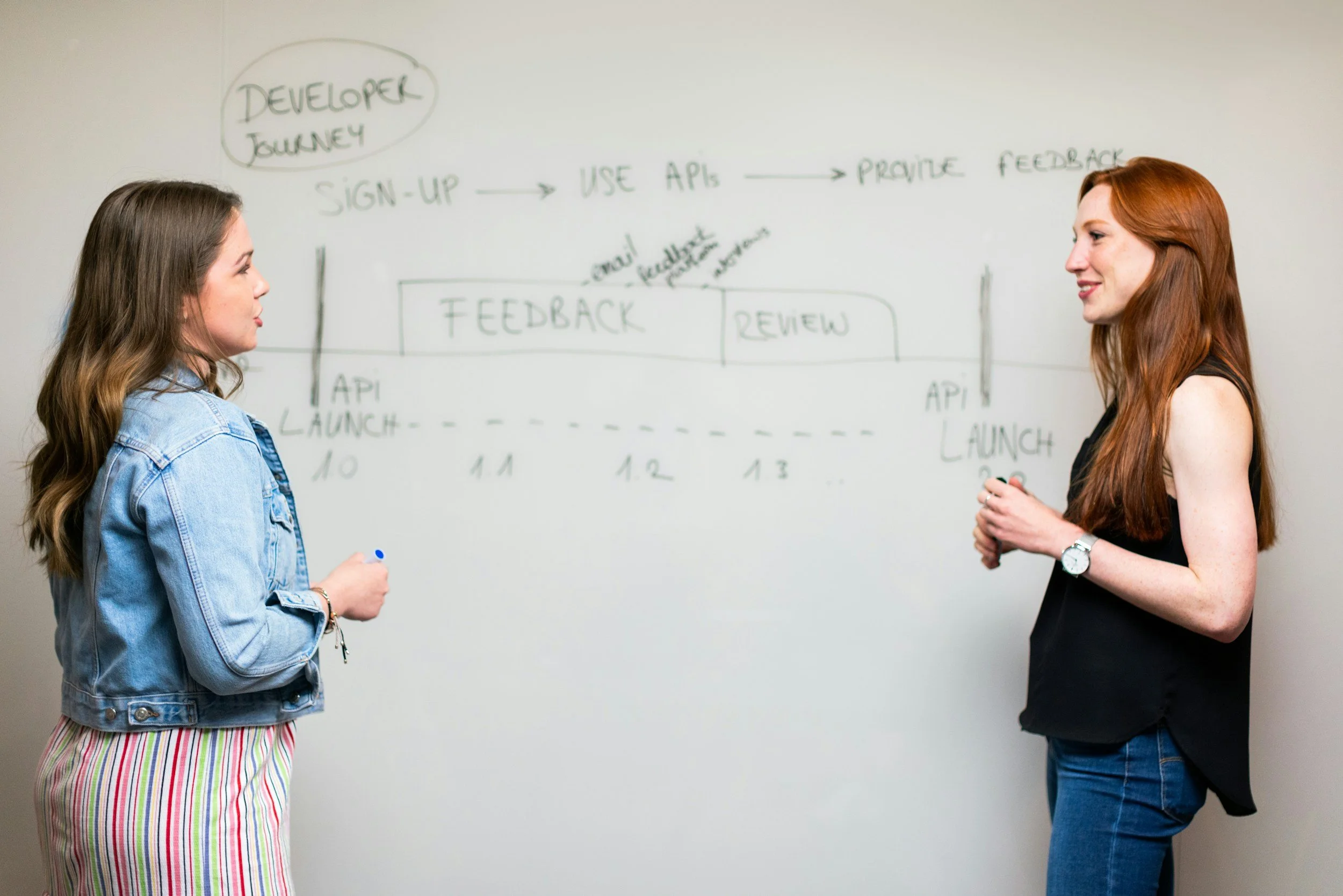
Discover how a Fractional Chief Growth Officer aligns marketing, sales, and product strategy to unlock new revenue streams and drive sustainable, long-term organizational impact.

One of the biggest questions founders ask isn't how to hire a Fractional Chief Growth Officer (CGO)—it's when. The answer is simple: the best time to hire a fractional CGO is when growth becomes more complex than one department—or one founder—can effectively manage.

While both a Fractional Chief Growth Officer and a Fractional Chief Marketing Officer help organizations grow, they serve different mandates. A Fractional CMO focuses on leading the marketing function, while a Fractional CGO aligns marketing with sales, product, customer success, and executive leadership to drive sustainable business growth.

Generation Alpha - they may be young, but they’re already a cultural force. This digital-native generation is redefining wealth and already influential with roughly 30% of household consumption decisions being influenced by the cohort. We dive into what makes Generation Alpha unique compared to other generations, their growing level of influence and their values and aspirations.

Rather than focusing on day-to-day operations, a Fractional CSO works alongside founders, CEOs, and senior leadership to define the organization's strategic direction, align decision-making, and position the business for sustainable long-term growth.

Learn how much it costs to hire a Fractional CGO, what influences pricing, and how a fractional chief growth officer can help accelerate business growth without the cost of a full-time executive.

What is a Chief Strategy Officer? Learn what a Chief Strategy Officer does, key responsibilities, when to hire one, and how they help organizations shape corporate strategy, align leadership teams, and drive sustainable business growth. Discover how this executive role helps businesses navigate change, evaluate new opportunities, and make smarter long-term strategic decisions.

Discover how a Fractional Chief Growth Officer aligns marketing, sales, and product strategy to unlock new revenue streams and drive sustainable, long-term organizational impact.

Mental health has been gaining momentum as a critical societal issue—but progress is not linear. While awareness and innovation are driving improvements, recent political and policy shifts in the U.S. are actively undermining mental health care, funding, and access. Under the Trump administration, rollbacks of Diversity, Equity, and Inclusion (DEI) initiatives, cuts to mental health funding, and restrictions on key programs have created new barriers—particularly for marginalized communities. These shifts are reshaping the landscape of mental health support in the U.S., forcing healthcare providers, businesses, and advocates to adapt in real time.

We look toward the next decade, the future of cities will be defined not just by technology, but by the deeper question of how we create spaces that nurture belonging, resilience, and regeneration. In this next wave, cities will not simply serve as backdrops to human activity; they will become living organisms—adaptive, regenerative, and shaped by collective intelligence.

What is the Future of Sport? Sport has always been more than a game—it’s a reflection of who we are and who we’re becoming. As a former NCAA athlete and a futurist with a background in strategy and wellness, I’ve seen firsthand how sport can be a vehicle for growth, transformation, and self-actualization.
But the sports industry is shifting. Technology, human potential research, and cultural evolution are redefining how we play, train, and even think about competition. At the same time, we’re seeing cracks in the traditional realm of sports—declining sports events viewership, a shift toward the individual athlete, and a growing hunger for connection, meaning, and even spirituality in athletic performance.

Sea level rise is no longer a distant threat in Miami—it’s a daily reality, with streets in Brickell flooding during hurricane season and historic buildings in Miami Beach slowly eroding from saltwater intrusion. Storm surge, tidal flooding, and declining water quality are undermining both the coastline and public trust in outdated infrastructure, while saltwater threatens drinking water supplies. Yet amid these challenges, Miami has an opportunity to lead. Nearby Fort Lauderdale is already piloting adaptive infrastructure, hinting at a future where Southeast Florida becomes a global model for ocean-conscious urban design. What if Miami’s magic wasn’t just in its growth, but in its ability to rise—literally and figuratively—with the water?

The cost of hiring a Fractional CMO depends on how involved they are in your business and the level of strategic support you require. While every engagement is different, most startups fall into one of three investment levels.
